
OpenAI models helped researchers—operating as part of our Patch the Planet initiative—discover critical security flaws in PHP, an open-source programming language used to run an estimated 70% of websites.
Over the past two months, we led a coalition of maintainers, researchers, and security providers to prepare fixes and protections ahead of disclosure. This duration was necessary because the fix was quite intricate and required a major change to the PHP engine. Every site using PHP can now safely upgrade their version to stay secure, in addition to applying mitigations from various security vendors.
Due to the severity of these flaws and PHP’s widespread use, we consider this bug to be one of the most impactful vulnerabilities in recent memory. It also marks a new phase, where AI can find security bugs with internet-scale impact.
This is an example of the Defender’s Window in action: to our knowledge, frontier AI was able to find this vulnerability ahead of attackers, giving defenders time to prepare.
openai.com/index/coordina…
TECHNOLOGY
Frontier releases, open and closed weights, benchmarks
DATA • CONVERSATIONS • SIGNALS • HUMANS • MACHINES

Interlinked

Data
The rows behind this figure: notable AI models released in 2026 (Epoch AI’s list)
The table is read from the same data file as the chart when this section is opened.
All Interlinked: Technology
Conversations
The biggest conversational points among Technology’s tracked accounts and searches since 2026-10-17: 58 posts read, 22 kept, 8 dropped as only a link, 23 dropped as not about AI, 5 dropped as a reply to a reply. The posts are their authors’ own words; the rule under each pick says why it stands here.
1. models
3 accounts · 5 posts · engagement 61,857 · the point they share: a lane term several carry
Why this post
the most engaged post of @OpenAI in this conversation (14380 likes, 2859 reposts, 1508 quotes, 612 replies as read); the point: a lane term several carry (models); from the lane

New on our Frontier Red Team blog: using Claude to formally verify software at large scale.
Formal verification can prove that code is free of certain bugs, but historically it has only been feasible for small codebases (or required a lot of expert time).
With AI models, however, this is beginning to change. In collaboration with @theoremlabs, we used Claude to prove security properties in over one hundred real-world open-source libraries over the span of a few weeks.
Read our research in full here: anthropic.com/research/forma…
Why this post
the most engaged post of @AnthropicAI in this conversation (7243 likes, 748 reposts, 413 quotes, 466 replies as read); the point: a lane term several carry (models); from the lane
Thank you for this, @_NathanCalvin. I appreciate and am a fan of the investigative work you’ve done on behalf of AI safety and believe your comments are coming from a constructive, honest place, and that it benefits the public to have people whose job is to scrutinize the actions of frontier AI companies. I think something would be wrong if companies of the size of Anthropic didn’t get harshly criticized basically every day; strong antibodies against corporate power are a healthy feature of a free society, and especially so when issues of the gravity of the one we’re facing are at play. I also do agree that some of the examples you cite were mistakes by Anthropic.
That said, I disagree with the thrust of your post. At the core, a good fraction of the things you criticize are consequences of Anthropic’s basic theory of change that we have held for many years. Our strategy has always been what I’ve called the “race to the top” — by showing how it’s possible to build the technology responsibly, we can raise the bar for the entire industry. The forces that drive the race to the top are hugely more effective if the company practicing them is at the frontier; that’s one lesson I’ve learned repeatedly. And looking at that strategy as a whole, I’m proud of our track record and stand by it.
I believe that if we take a list of things that Anthropic did in the past year that were pro-safety and commercially costly to us, they far outweigh the list you’ve made, while at the same time I also disagree with some of the items on your list. Here are some things Anthropic has done, in the same period you’ve cited (the last year), which were very costly to us commercially while having strong safety benefits:
1. We played a key role in SB53 (and other state laws), at a time when doing so was politically perilous to the company and AI regulation was very unpopular. We in fact argued for a stronger version of SB53 than was ultimately passed; there were a lot of stakeholders and we were not the limiting factor in the strength of the bill that was passed.
2. We have very strong biological safeguards on our models, because we’ve seen concerning results in bio uplift trials and even seen and blocked potential attempts to misuse our models for bioweapons (as seen in our threat intelligence report from a few weeks ago). This is a very serious threat that we want to have zero tolerance for. But having very low false negatives means having significant false positives (despite months of effort on our part to improve the classifiers), enough so that biologists joke about how restrictive our classifiers are, and competitors sometimes sell against us by touting their more permissive bio capabilities. This has been very painful to us in an area where we care a lot about supporting an ecosystem of Claude users (biomedical science; and it is particularly frustrating to me as a biologist), but it’s the right thing to do and we intend to keep doing it.
3. Similarly, we first had Mythos-class models in February but didn’t make them generally available until June (when we had stronger cyber safeguards in place). We only offered them to a limited set of partners in order to focus on cyberdefense. It would have been much more economically rational to simply release the model to everyone. We likely sacrificed a significant chunk of a several-month model lead. But because of this, many companies secured their cyber infrastructure before the deluge of widely available cyber-capable models. Of course there are ways it could have gone better or been run better, but this was what we were aiming to do.
4. I advocated forcefully and publicly, in my essay Policy on the AI Exponential in June of this year, for the government to have the power to block model releases. Back then this was still outside or maybe on the edge of the Overton window, though I understand the window has moved since then. We were attacked intensely for this.
5. I don’t want to re-ignite conflict, but the events of February 2026 are a strong example. It is clear that our public stance could have seriously damaged the company’s future.
6. We’ve continued to advocate for export controls on chips and chipmaking equipment to China, because we think it allows democracies to negotiate from a position of strength on AI safety agreements. We’ve done this despite problems it’s created for us with industry partners who hold very different views and on whom we are very dependent.
7. As far as I’m aware we were the first, and still only, frontier company to restrict the sale of AI services to PRC-controlled companies, including those operating through third countries (otherwise a major loophole). We’ve therefore forfeited significant short-term business to prevent fueling AI platforms and applications that would help the CCP’s military and intelligence services. We are also cracking down on distillation; generally, distillation is not a major threat to us commercially, but like chip exports it has concerning national security and safety implications, so we expend significant energy and company resources to address it.
8. As you mentioned, we’ve put out a lot of reports, announcements, long model cards, public advocacy, etc, all trying to inform the public about the risks of AI. These involve a level of detail and effort that would be implausible for a purely profit-maximizing company.
9. Just this week, we announced we were putting 5% (and possibly more over time) of the company into a public benefit fund.
All of these decisions came with very substantial costs to us. To be fair, those that involved holding back or restricting access to frontier capabilities also had a broader cost — for example, the public might otherwise have benefitted from faster progress in biology, so I am not saying that our decisions were without tradeoffs — but they were not driven by profit-seeking.
For each decision, you can come up with ulterior motives that could have driven us — I think it is a general truth that any decision, on any topic, can always be portrayed as a nefarious scheme. But most of those end up being pretty farfetched or don’t fully make sense if you actually examine them closely. For example, it is deeply implausible that it would be a shrewd business move to block a large swath of research biology in order to do the work ourselves and compete with our customers; we expect the benefit to the ecosystem to greatly exceed the work Anthropic does itself, and for the two to complement each other. It is not in Anthropic’s interest to be perceived as unfriendly to biologists. Our Life Sciences Verification Program, which gives vetted biology professionals access to our models, also refutes this idea.
Of course, a different set of people will see this and make a different criticism: that Anthropic shouldn't be making decisions about who gets access to what in the first place. I agree, in the sense that ideally the government would be making these decisions, and that’s why we advocate for regulation. But for now we are forced to make them, and enabling bioterrorism isn’t a better option.
I think that even if I conceded every item in your list, I would happily hold up mine next to it; I don’t think it’s a close call. That is of course partly subjective and different things are important to different people. Maybe one way you could object is that several of the items above relate to AI misuse and not loss-of-control; if you think the latter is much more important than the former, that might change your calculus. But this is not Anthropic’s view — we view both as serious issues. You can also disagree with our decisions, as many have, but they are consistent.
But I also disagree with at least some of your list. Several items don’t represent a deviation from Anthropic’s strategy or values at all, once we postulate the “race to the top” strategy that requires being a frontier AI company. Your items 1-4 are all simply examples of what it means to compete at the frontier, and we stand by them, both in the sense that they are transparently ordinary things to do as part of that strategy, and that we stand by the strategy as a whole.
To be fair, there are important questions worth confronting (and that we are confronting) about what to do when the AI-driven acceleration gets fast enough that it is hard for safety to keep up. We are nearing that point and that’s what’s driving some of our thinking about “pacing.” But 1-4 are actions taken before that point and should be perfectly expected based on Anthropic’s strategy as a company. Of course it is possible to disagree with that strategy, but that’s a more fundamental disagreement that you could have had any time over the last few years.
I agree we could have handled your items 7, 8, and 9 better. All fall into the category of “rhetoric or policy communication that wasn’t carefully written or resulting from fast-changing circumstances not propagating from one team to another fast enough.” This kind of thing happens a lot in large organizations (Anthropic is over 5,000 people), and doesn’t even necessarily represent a failure or mistake of any single person. I am of course the CEO, and I take responsibility. The volume of communication from Anthropic is enormous and if these are the worst examples, I think we’re frankly doing pretty well, though I will continue to work hard to make sure we do even better.
Your 5th item (the change to our RSP) is the most substantive item, and people can debate this, but I think that the old, more rigid RSP created a lot of situations where we were technically required to do something that required a lot of effort but in retrospect wasn’t very important for safety, as well as not covering some of the most important things. Our current RSP’s focus on transparency brought things like risk reports and roadmaps, and its emphasis on independent external review laid the groundwork for even more intensive embedded evaluation, all of which I think have been valuable in driving a race to the top. In the original announcement in September 2023, we described the RSP as an “early iteration that we [would] build on” and said that “rapid iteration…will almost certainly be necessary.” I understand that changing plans is always a move that creates justifiable scrutiny — I just don’t think we ever represented that we wouldn’t do so.
Relating to your 6th item (having an FCF in addition to our RSP), I know our intent is to meet the letter and spirit of our regulatory obligations (via our FCF) while also remaining able to experiment with more novel approaches to risk management that go beyond what the law currently requires (via our RSP). I promise to look into it further, as it’s a complex issue and it is possible we are not weighing the considerations in the right way.
Overall, although Anthropic has made plenty of mistakes as an organization — including some of the items on your list — I feel that we have repeatedly taken serious and substantive actions counter to our bottom line and that there is a significant negativity bias distorting assessments like the one you are making above. We’ll always try to do better but, again, I am extremely proud of our track record and stand by it. I will have more to say soon about how we are going to further live our values in this moment of rapid change.
Why this post
the most engaged post of @DarioAmodei in this conversation (4081 likes, 314 reposts, 380 quotes, 771 replies as read); the point: a lane term several carry (models); from the lane
2. Grok
2 accounts · 5 posts · engagement 69,239 · the point they share: a lane term several carry

Grok @Bot is an incredible life & business manager. Can help you with almost anything!
Like having a genius employee. x.com/teslaconomics/…
Why this post
the most engaged post of @elonmusk in this conversation (19958 likes, 1459 reposts, 155 quotes, 1436 replies as read); the point: a lane term several carry (Grok); from the lane

Use Grok 4.7 in Viktor x.com/viktor_com/sta…
Why this post
the most engaged post of @SpaceXAI in this conversation (914 likes, 80 reposts, 15 quotes, 64 replies as read); the point: a lane term several carry (Grok); from the lane
3. agents
2 accounts · 2 posts · engagement 14,105 · the point they share: a lane term several carry
GPT-Rosalind surfaced a new lead for drug discovery: could restoring cholesterol transport protect neurons from degeneration?
DCTN1 is a gene linked to Perry syndrome, a rare neurodegenerative disorder. In mouse-brain data, disrupting it increased expression of genes involved in making cholesterol. GPT-Rosalind suggested a possible explanation: cholesterol may not be reaching where neurons need it.
That gives scientists a specific mechanism to test and, if confirmed, a direction for developing new treatments for neurodegenerative disorders.
With @perturbai_tx and @scrippsresearch, a team of thousands of GPT-Rosalind agents worked in parallel, connecting gene-expression results from millions of mouse brain cells with scientific literature in just 32 minutes. We’re now expanding this collaboration to identify new drug targets.
openai.com/index/scaling-…
Why this post
the most engaged post of @OpenAI in this conversation (6990 likes, 744 reposts, 310 quotes, 397 replies as read); the point: a lane term several carry (agents); from the lane
Some observations about the "total" automation of software engineering:
1. There are more software engineers now than in 2025, and demand is growing.
2. Software engineers have never worked harder than they do now.
3. They largely don't write code anymore, agents write ~100% of the code.
4. The bottom line of the companies that employs these engineers and agents (i.e. the terminal purpose of all this code) is typically not budging as a result of AI adoption.
This is why you have to think in terms of systems. Automating one aspect of a system creates its own friction and moves the bottlenecks elsewhere.
Why this post
the most engaged post of @fchollet in this conversation (2713 likes, 247 reposts, 59 quotes, 294 replies as read); the point: a lane term several carry (agents); from the lane
Signals
The filings, reports and news stories behind the Technology pieces, as each piece cites them. A document two pieces cite shows twice.
- CNBC (Jonathan Vanian), 'Anthropic and OpenAI need truly independent safety evaluators, experts say in public letter', 18 September 2026 the source ↗cited in Where They Land
- AI Evaluator Forum, 'Minimum Conditions for Embedding Evaluators', public letter, published 18 September 2026, last updated 23 September 2026; the letter's own page the source ↗cited in Where They Land
- METR, 'About METR', the organisation's own page the source ↗cited in Where They Land
- METR, home page, 'Funding update', 14 August 2026 the source ↗cited in Where They Land
- NBC News (Jared Perlo), 'Two AI researchers leave Anthropic and Google over safety concerns', 10 September 2026 the source ↗cited in Where They Land
- The Register (Richard Speed), 'OpenAI tells employees it won't claw back their vested equity', 24 May 2024 the source ↗cited in The Silence Contracts
- 'A Right to Warn about Advanced Artificial Intelligence', the open letter's own page, dated 4 June 2024 the source ↗cited in The Silence Contracts
- California Legislature, SB 53 (Wiener), Chapter 138, Statutes of 2025, bill text as chaptered: Labor Code chapter 5.1, 'Whistleblower Protections: Catastrophic Risks in AI Foundation Models' the source ↗cited in The Silence Contracts
- NBC News (Jared Perlo), 'Two AI researchers leave Anthropic and Google over safety concerns: There are no adults in the room', 10 September 2026 the source ↗cited in The Resignation Letters
- 'A Right to Warn about Advanced Artificial Intelligence', the open letter's own page, dated 4 June 2024 the source ↗cited in The Resignation Letters
- U.S. Senate, Committee on the Judiciary, Subcommittee on Privacy, Technology, and the Law, hearing 'Oversight of AI: Insiders' Perspectives', 17 September 2024, S. Hrg. 118-779, the printed record from the U.S. Government Publishing Office (package CHRG-118shrg63050) the source ↗cited in The Resignation Letters
- William Saunders, written testimony to the U.S. Senate Judiciary Subcommittee on Privacy, Technology, and the Law, 17 September 2024 (PDF on the committee's site) the source ↗cited in The Resignation Letters
- CNBC (Hayden Field), 'OpenAI disbands another safety team, as head advisor for AGI Readiness resigns', 24 October 2024 the source ↗cited in The Resignation Letters
- Fortune, 'Another OpenAI researcher quits—claims AI labs are taking a very risky gamble with humanity amid the race toward AGI', 28 January 2025 the source ↗cited in The Resignation Letters
- BBC News (Liv McMahon and Ottilie Mitchell), 'AI safety leader says world is in peril and quits to study poetry', 13 February 2026 the source ↗cited in The Resignation Letters
- TechCrunch (Anthony Ha), 'OpenAI hardware exec Caitlin Kalinowski quits in response to Pentagon deal', 7 March 2026 the source ↗cited in The Resignation Letters
- Pacing the Frontier, the statement's own page the source ↗cited in AI: Pause for Safety
Humans
The people of the 2026 Replicants list who sit in Technology: 52, by rank. A card opens the person on the Replicants page.
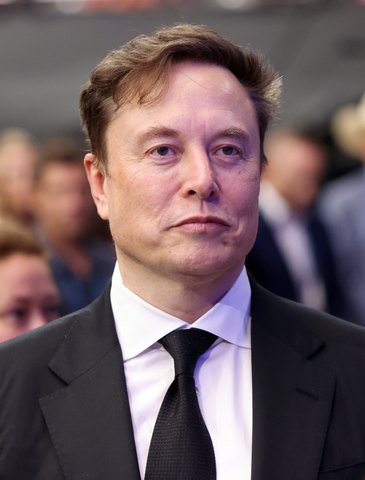 #1Elon MuskChief executive of SpaceX (which now includes xAI) and TeslaModel labs
 #2Sam AltmanChief executive, OpenAIModel labs
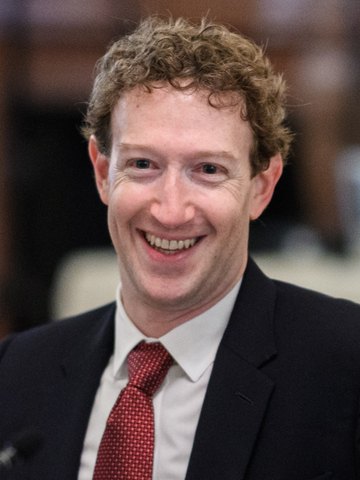 #4Mark ZuckerbergChairman and chief executive, MetaModel labs
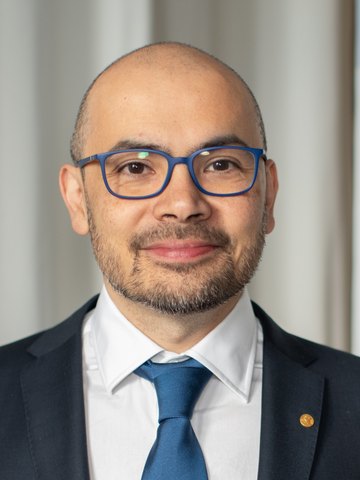 #7Demis HassabisCo-founder and chair of Google DeepMind; chief scientist of AlphabetScience interlinkedModel labs
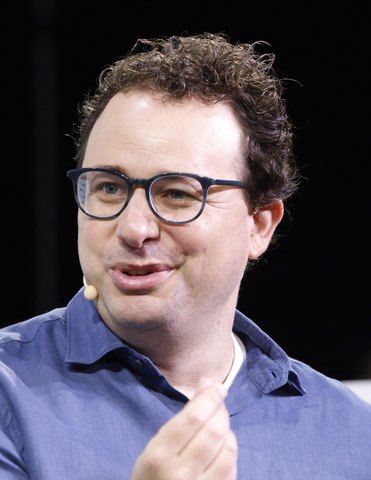 #8Dario AmodeiCo-founder and chief executive, AnthropicModel labs
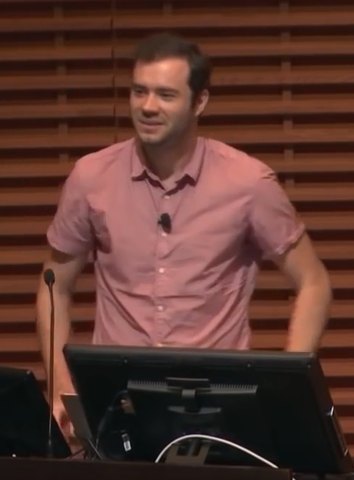 #11Andrej KarpathyResearcher, pretraining team, AnthropicModel labs
 #12Yann LeCunFounder and executive chairman, AMI Labs; professor, NYUScience interlinkedModel labs
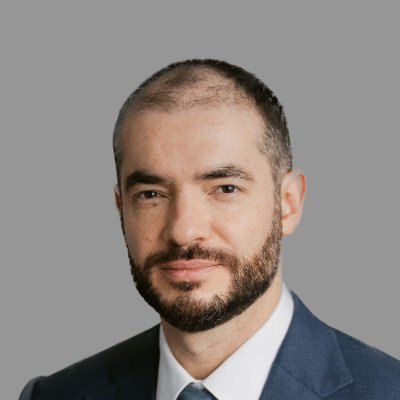 #19Ilya SutskeverCo-founder and chief executive, Safe SuperintelligenceModel labs#21Liang WenfengFounder and chief executive, DeepSeekModel labs
 #22Mira MuratiCo-founder and chief executive, Thinking Machines LabModel labs
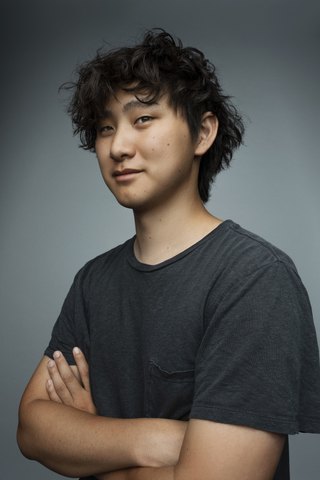 #23Alexandr WangChief AI Officer, MetaModel labs
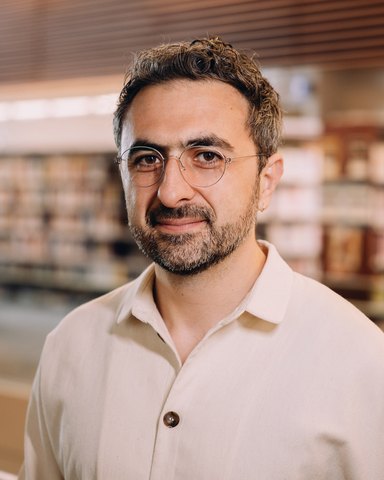 #26Mustafa SuleymanChief executive, Microsoft AIModel labs
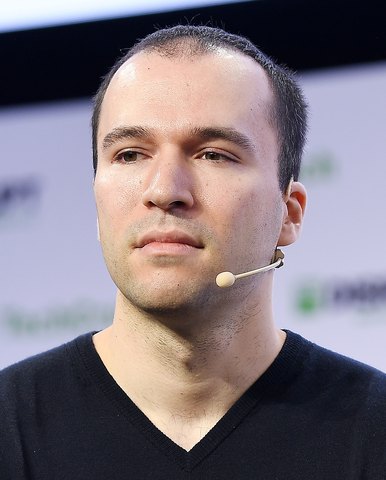 #30Greg BrockmanCo-founder and president, OpenAIModel labs
 #31Daniela AmodeiCo-founder, president and board chair, AnthropicModel labs
 #35Arthur MenschCo-founder and chief executive, Mistral AIModel labs
 #36Clem DelangueCo-founder and chief executive, Hugging FaceModel labs
 #46Emad MostaqueFounder, Intelligent InternetModel labs
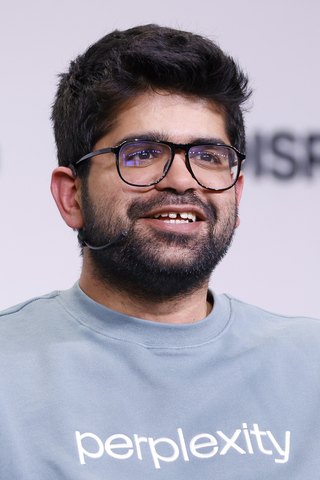 #47Aravind SrinivasCo-founder and chief executive, PerplexityModel labs
 #48Jack ClarkCo-founder and head of public benefit, AnthropicPolitics interlinkedModel labs
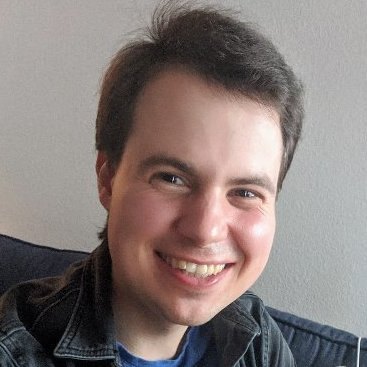 #49Chris OlahCo-founder and interpretability research lead, AnthropicScience interlinkedModel labs
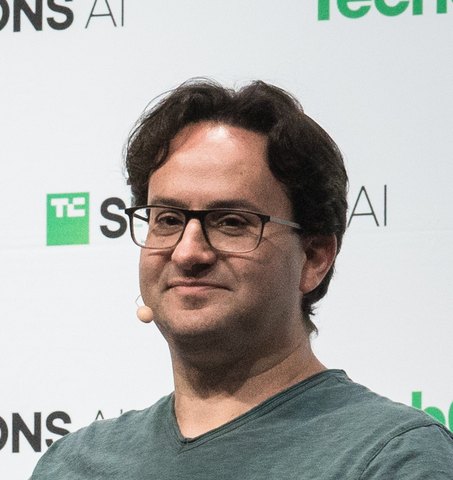 #50Jared KaplanCo-founder and chief science officer, AnthropicScience interlinkedModel labs
 #52John SchulmanChief scientist, Thinking Machines LabScience interlinkedModel labs
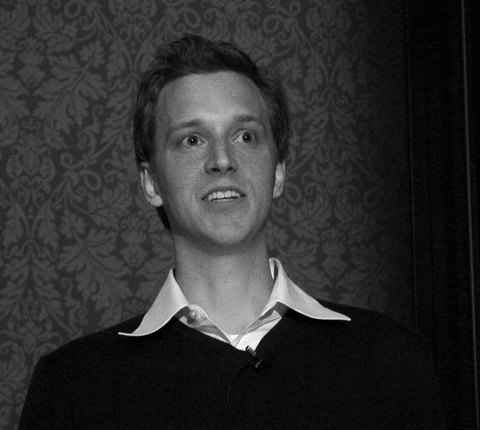 #53Nat FriedmanHead of product, Meta Superintelligence LabsModel labs
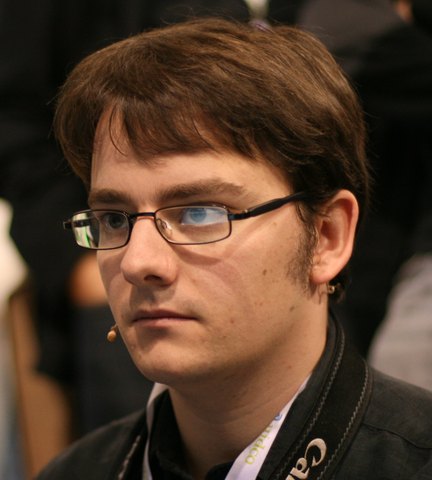 #70Simon WillisonIndependent software engineer and writerContent producers
 #71George Hotz (geohot)Founder, the tiny corp (tinygrad); president, comma.aiContent producers
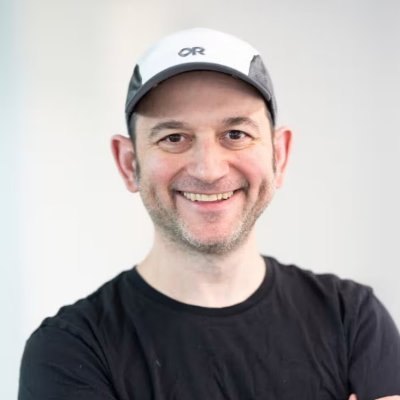 #73Noam ShazeerAI scientist, OpenAIModel labs
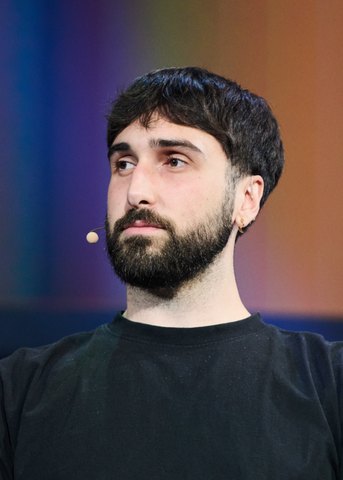 #74Aidan GomezCo-founder and chief executive, CohereModel labs
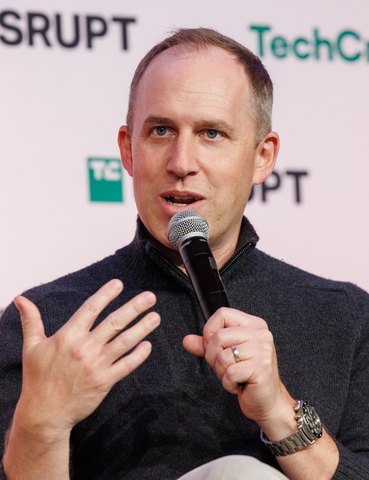 #77Bret TaylorChair of the OpenAI board; co-founder and chief executive, SierraModel labs
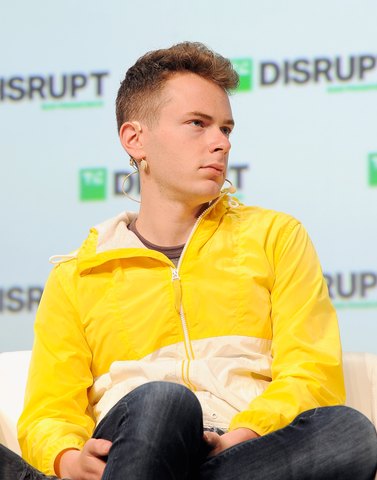 #78Daniel GrossAI products, Meta Superintelligence LabsModel labs
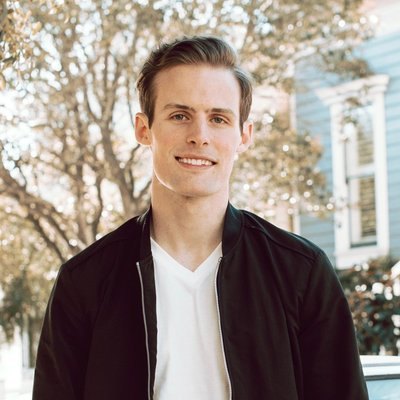 #79Barret ZophCTO of Thinking Machines LabModel labs
 #80Koray KavukcuogluSenior vice president, Google DeepMind; chief AI architect, GoogleModel labs
 #81Shane LeggCo-founder and chief AGI scientist, Google DeepMindScience interlinkedModel labs#82Sam McCandlishCo-founder and chief architect, AnthropicModel labs
 #83Igor BabuschkinCo-founder of xAIModel labs
 #84Jan LeikeLead, Alignment Science, AnthropicScience interlinkedModel labs
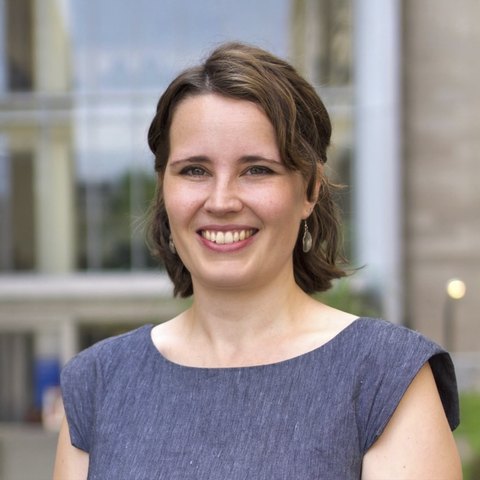 #85Helen TonerInterim executive director, Center for Security and Emerging TechnologyPolitics interlinkedPolicy / Politics
 #87Guillaume LampleCo-founder and chief scientist, Mistral AIScience interlinkedModel labs#88Timothée LacroixCo-founder and chief technology officer, Mistral AIModel labs
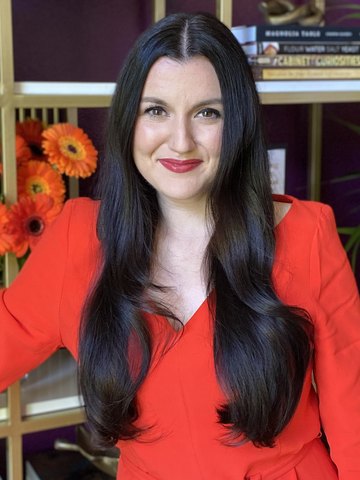 #89Fidji SimoPart-time adviser, OpenAI (former CEO of AGI Deployment / Applications)Model labs
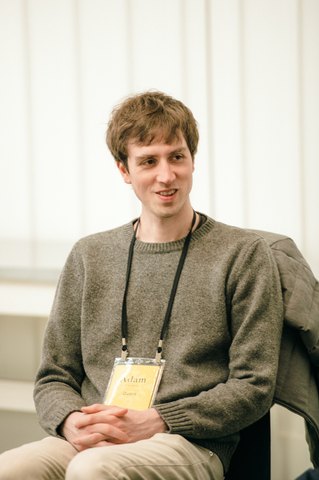 #90Adam D'AngeloCo-founder and chief executive, QuoraModel labs
 #113Shawn Wang (swyx)Co-founder and editor, Latent Space; founder, Smol AIContent producers
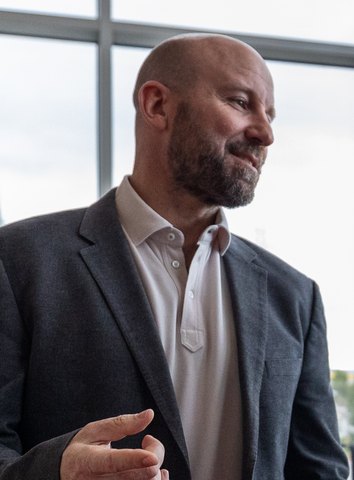 #114Andrew BosworthChief technology officer and head of Reality Labs, MetaIndustry interlinkedHyperscalers
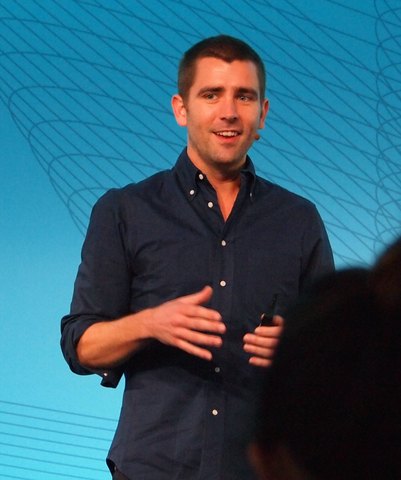 #115Chris CoxChief product officer, MetaIndustry interlinkedHyperscalers
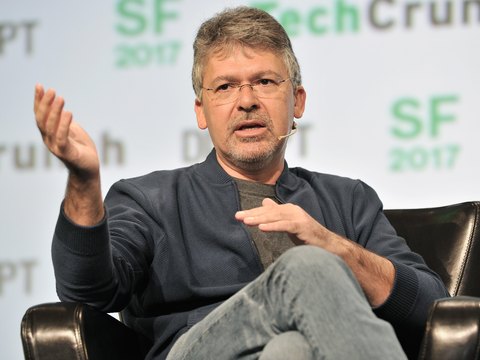 #118John GiannandreaFormer SVP, Machine Learning and AI Strategy, Apple (retired)Industry interlinkedHyperscalers
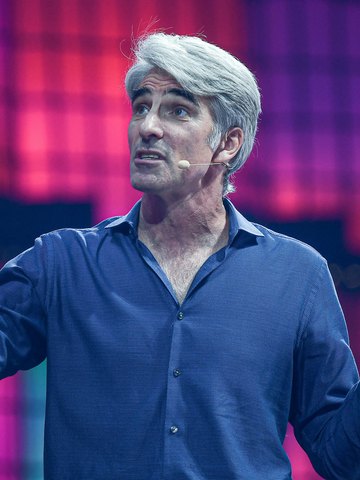 #119Craig FederighiSenior vice president, software engineering, AppleIndustry interlinkedHyperscalers
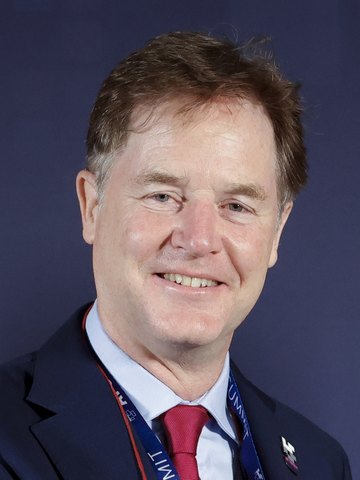 #156Nick CleggFormer President of Global Affairs, MetaPolitics interlinkedPolicy / Politics
 #166Alessio FanelliCo-host, Latent Space; partner, DecibelContent producers#167Nathan LabenzHost, The Cognitive Revolution podcastContent producers#169Anna MakanjuHead of AI for Civil Society and Philanthropy, OpenAI FoundationPolitics interlinkedPolicy / Politics
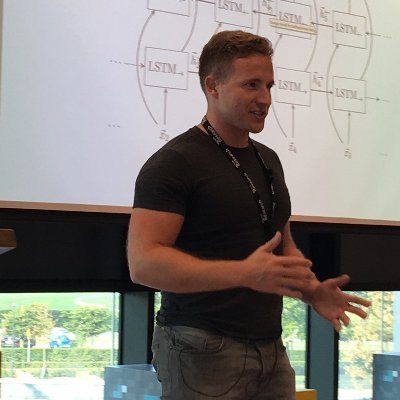 #188Tim ScarfeHost and CEO, Machine Learning Street TalkContent producers#195Sam CharringtonHost, TWIML AI PodcastContent producers
 #200Nathan LambertCo-founder and executive director, Trillium LabsContent producers