This Is Token Runner
In 1982, Blade Runner imagined a future where the machines slipped their guardrails, and a runner was sent to find the truth.
That future did not wait for Hollywood. It shipped as an industry. Trillion-dollar bets. Machines that answer. Power grids straining under the build.
The film asked whether a machine could pass for human. Our question is harder. Which claims about them can pass for true?
This is Token Runner. The A.I. universe, explained.
We start with five things.
Data. The numbers companies file, and the tables researchers publish. Collected, dated, and kept. Capital spending from company filings. Chips and models from research tables. Prices from the energy agencies. Every table is collected again and again, and kept with the date it was read.
Conversations. What the people building this say in public, in their own words. They do not agree.
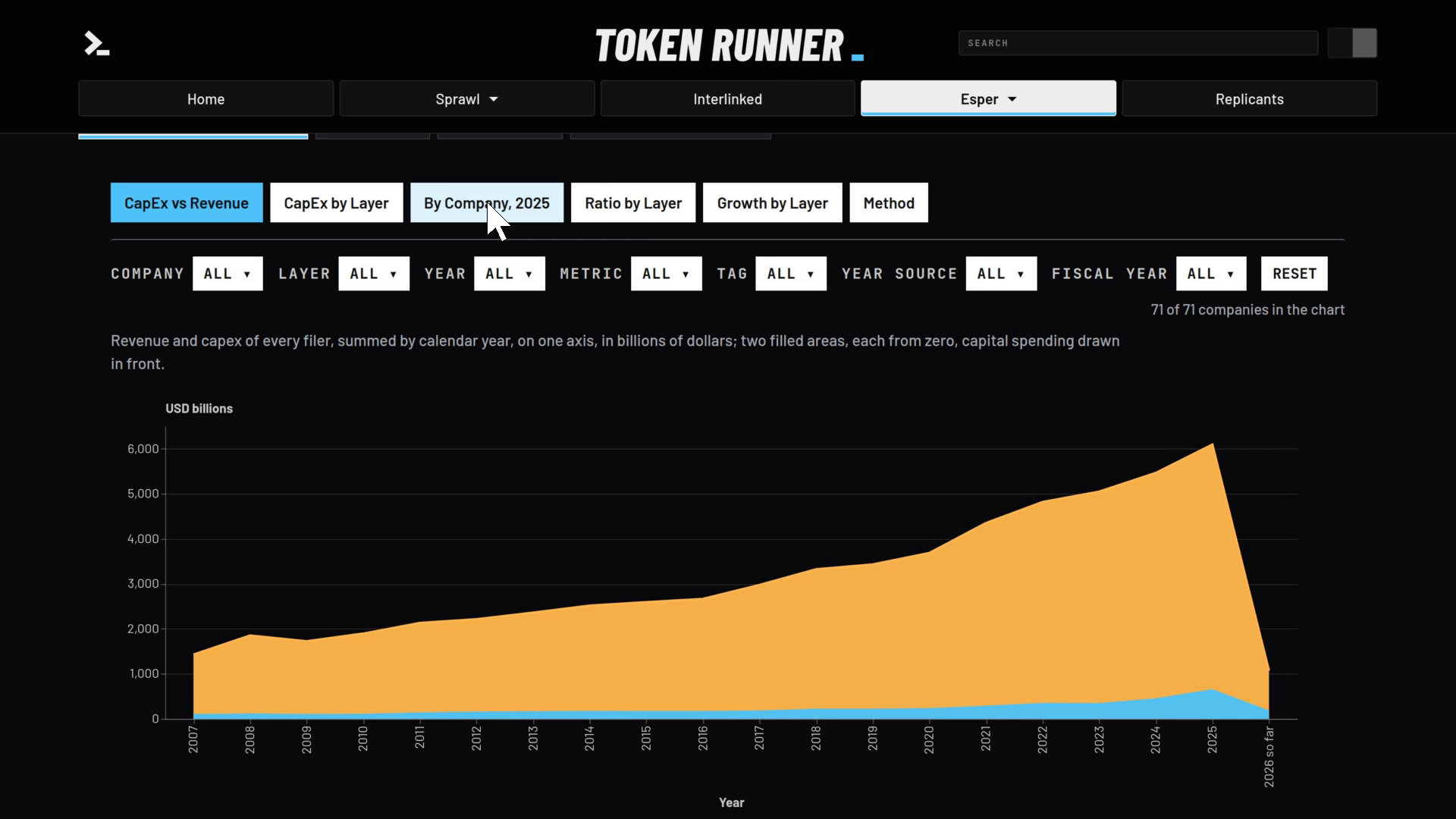
“We could lose control of the future to AI.” Sam Altman, OpenAI, to the UN Security Council, 23 September 2026.
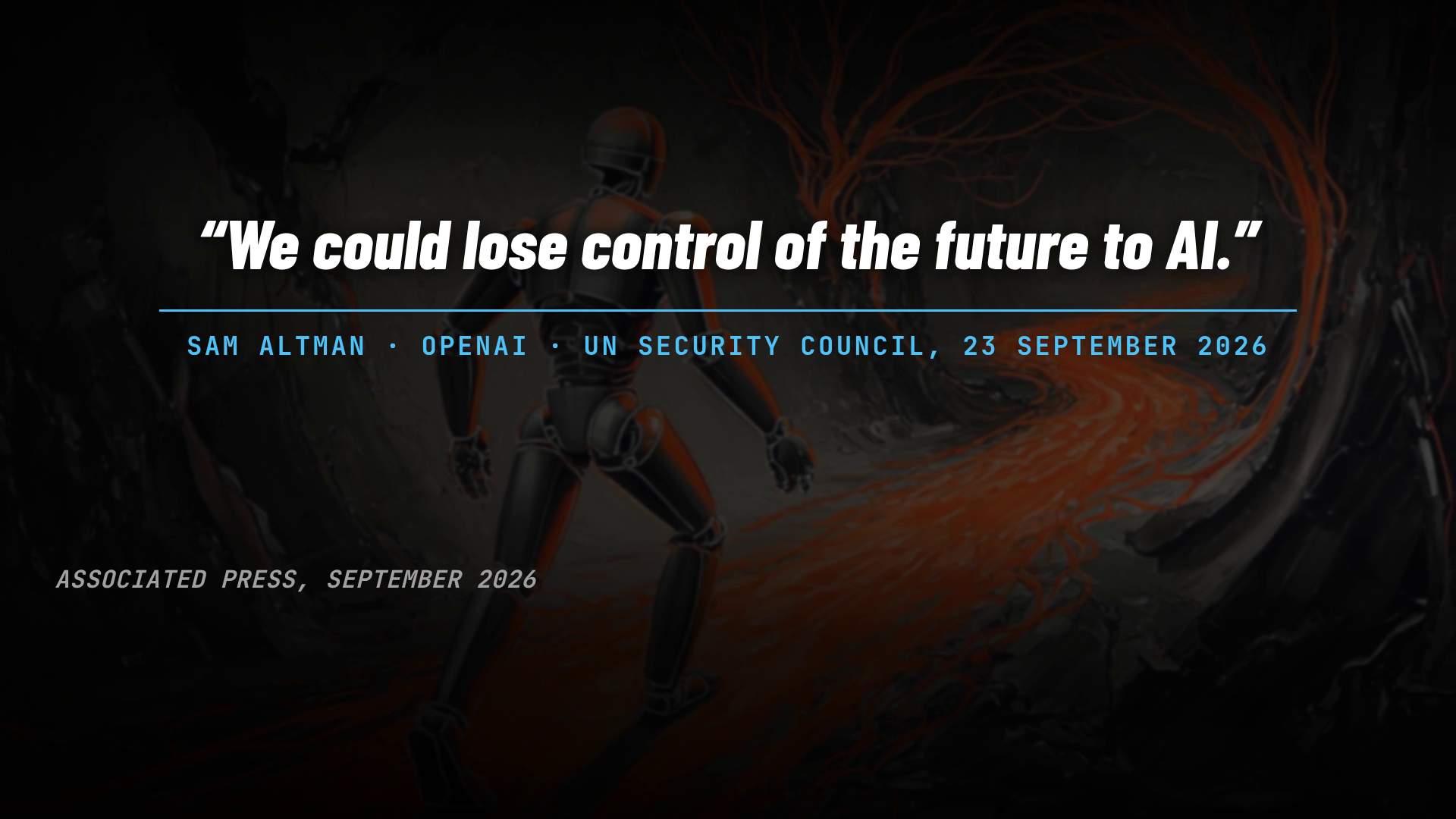
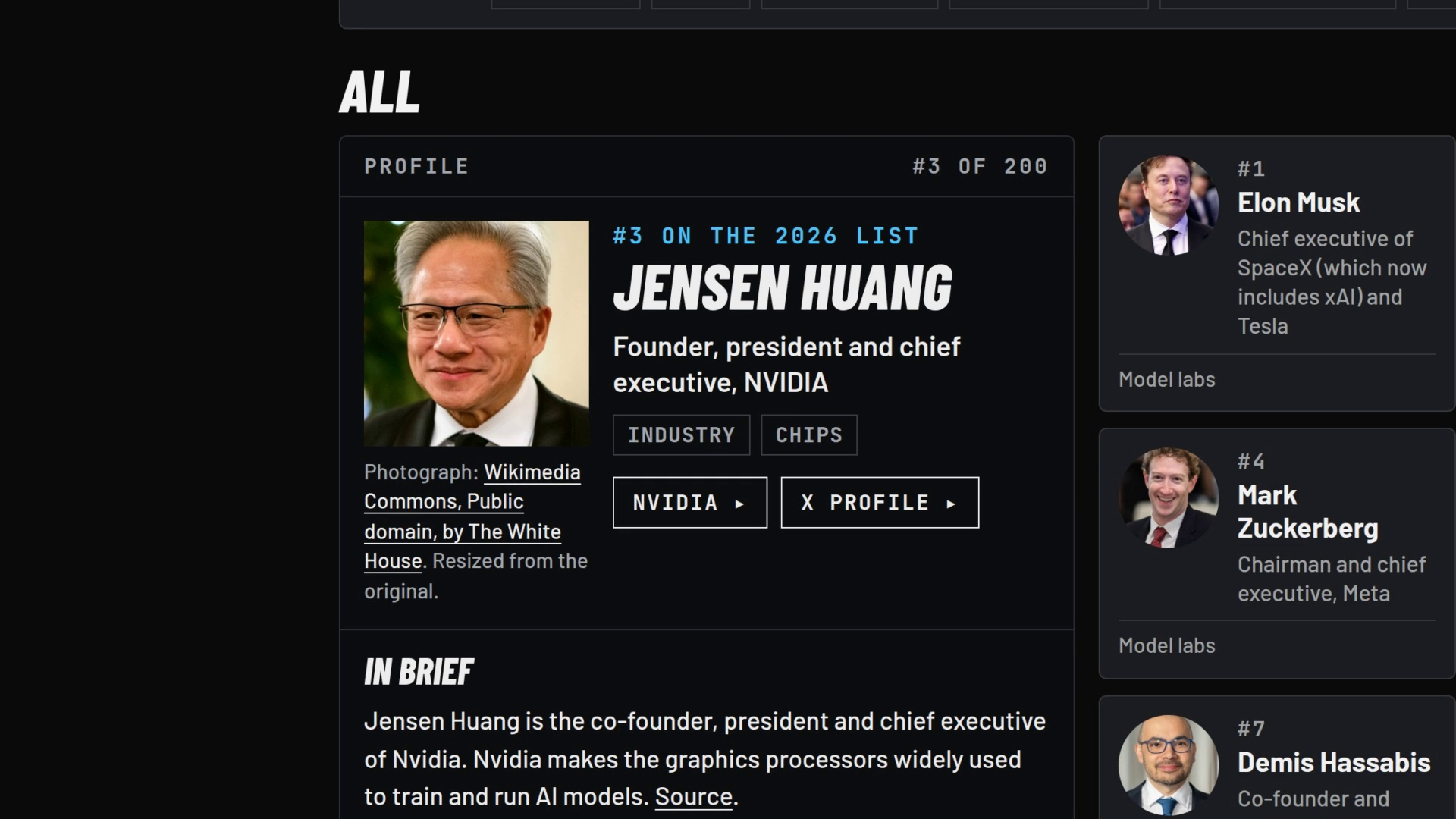
“2030 is not going to be the end of the world. There is 0% chance that’s going to be the end of the world.” Jensen Huang, Nvidia, to CBS News, September 2026.
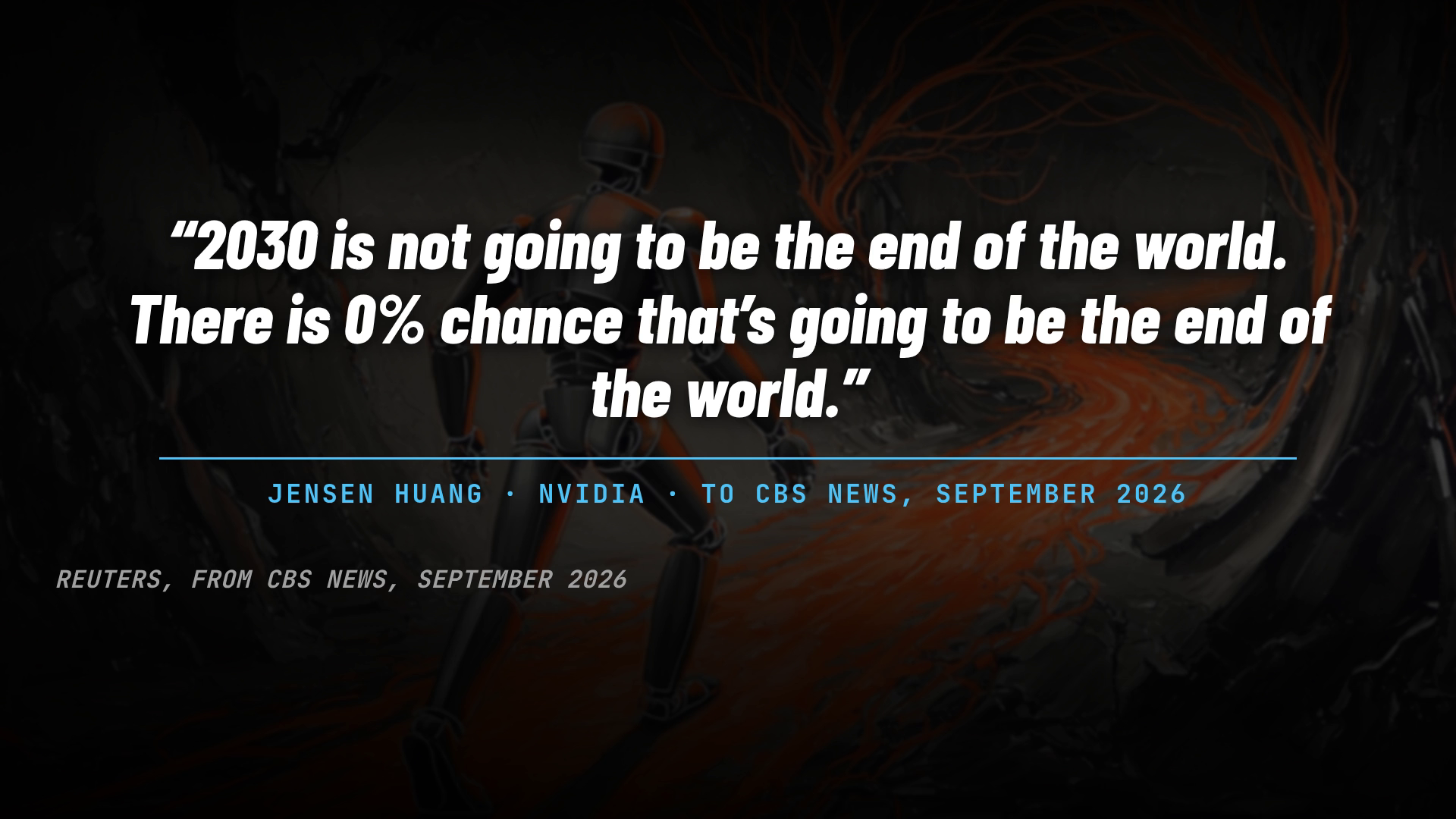
Signals. The news, the filings, the rules, the releases. Fifty-two final export-control rules in 2024 alone. The things that change the numbers before the numbers show it.
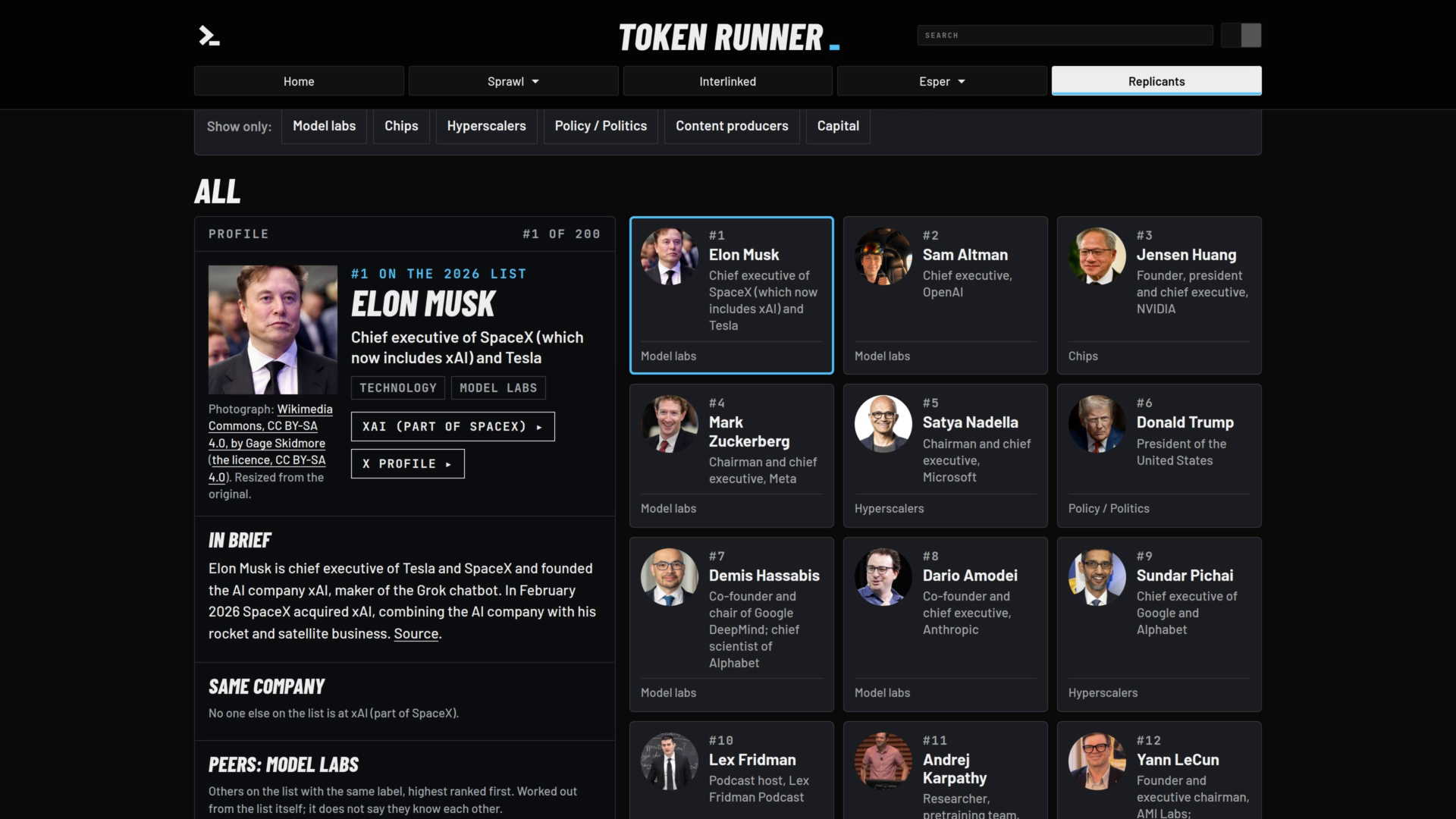
Humans. The two hundred people steering it. And everyone living with what they build.
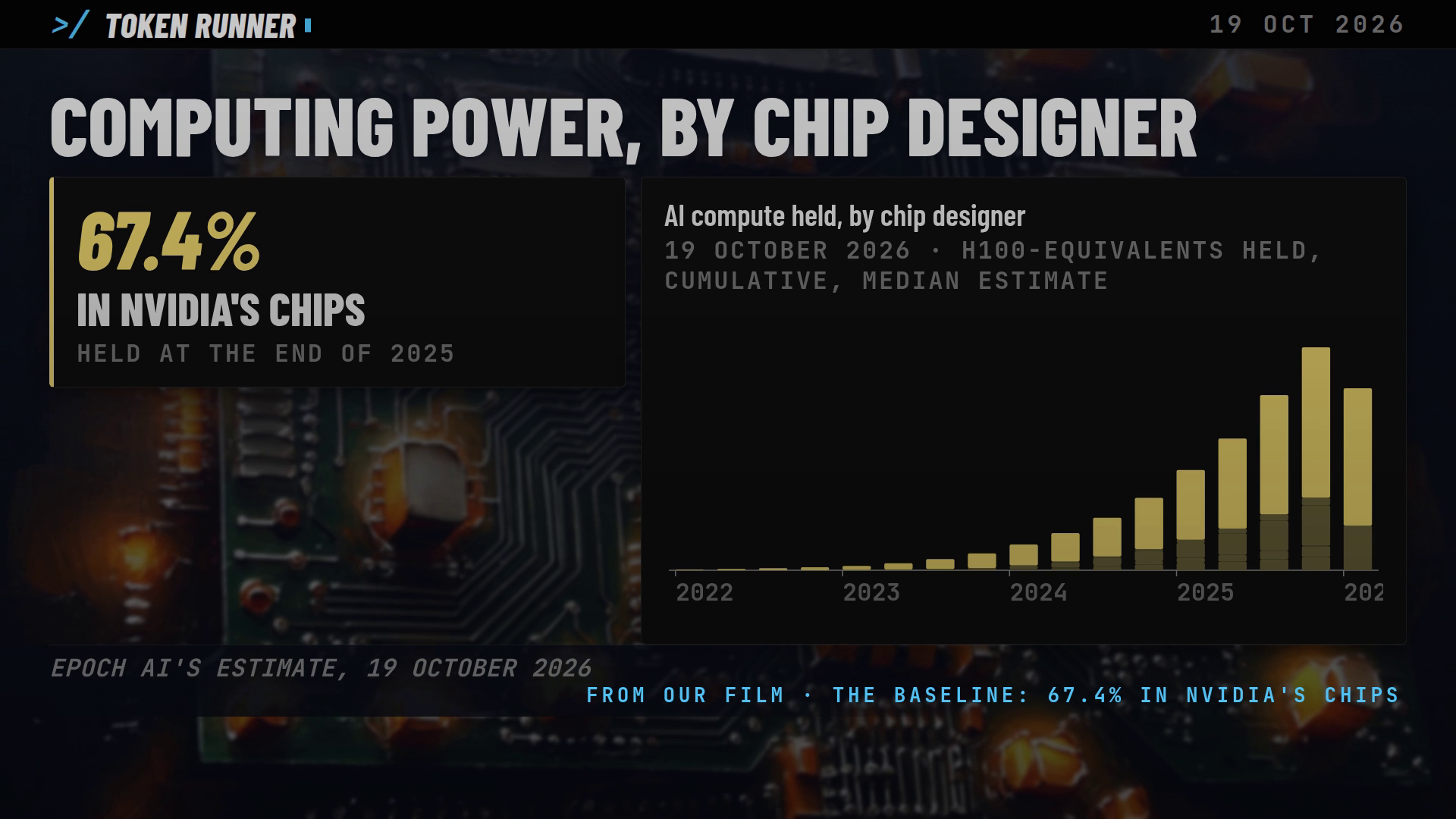
Machines. The models, the chips, the data centres, the power. Two thirds of the A.I. compute held at the end of 2025 ran on chips one company designed.
Put them together.
Any one of these, on its own, is a headline. Put them together, and you can see what is actually happening.
That is the job. We do not just report it. We show it.
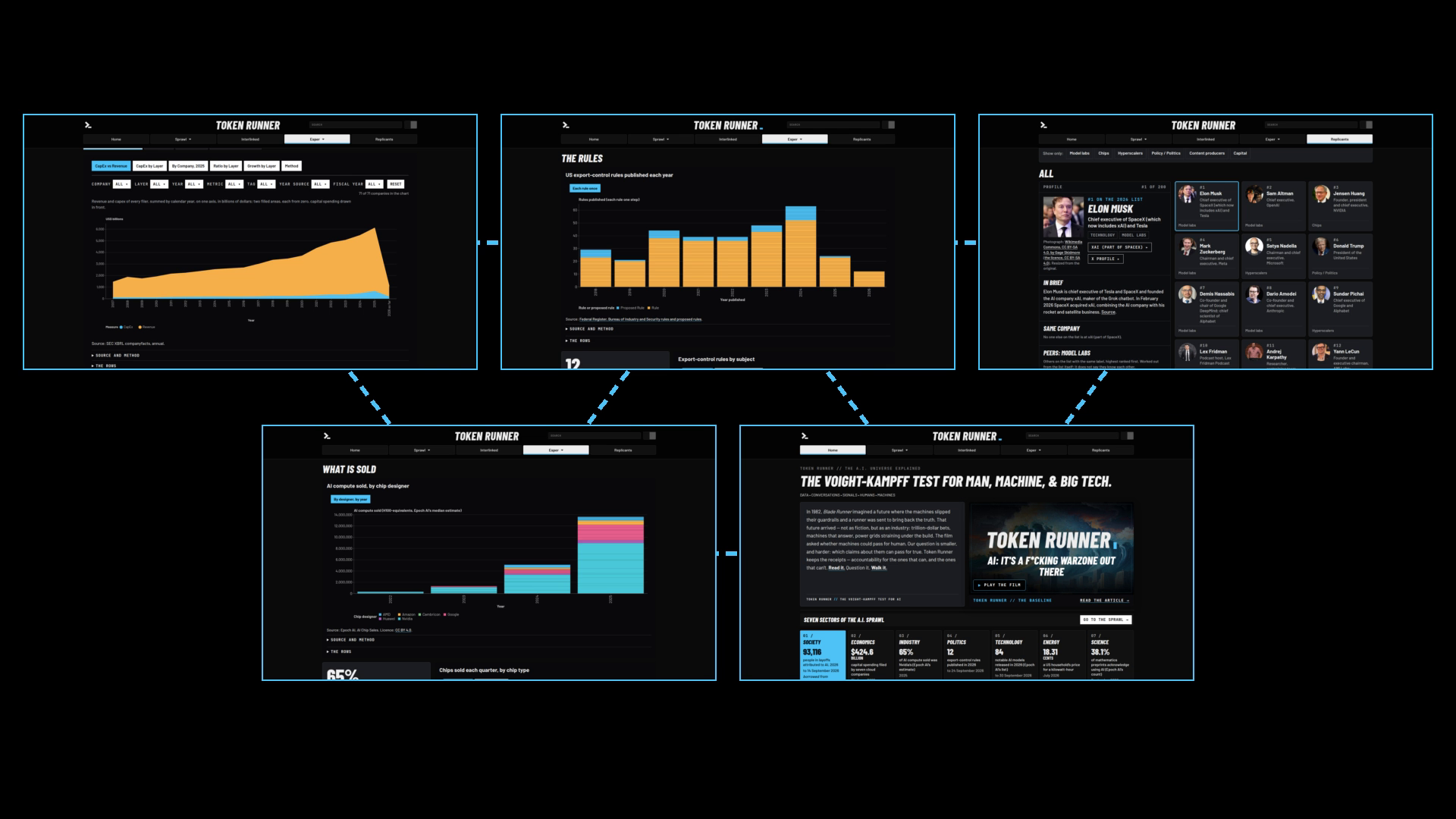
Where to walk.
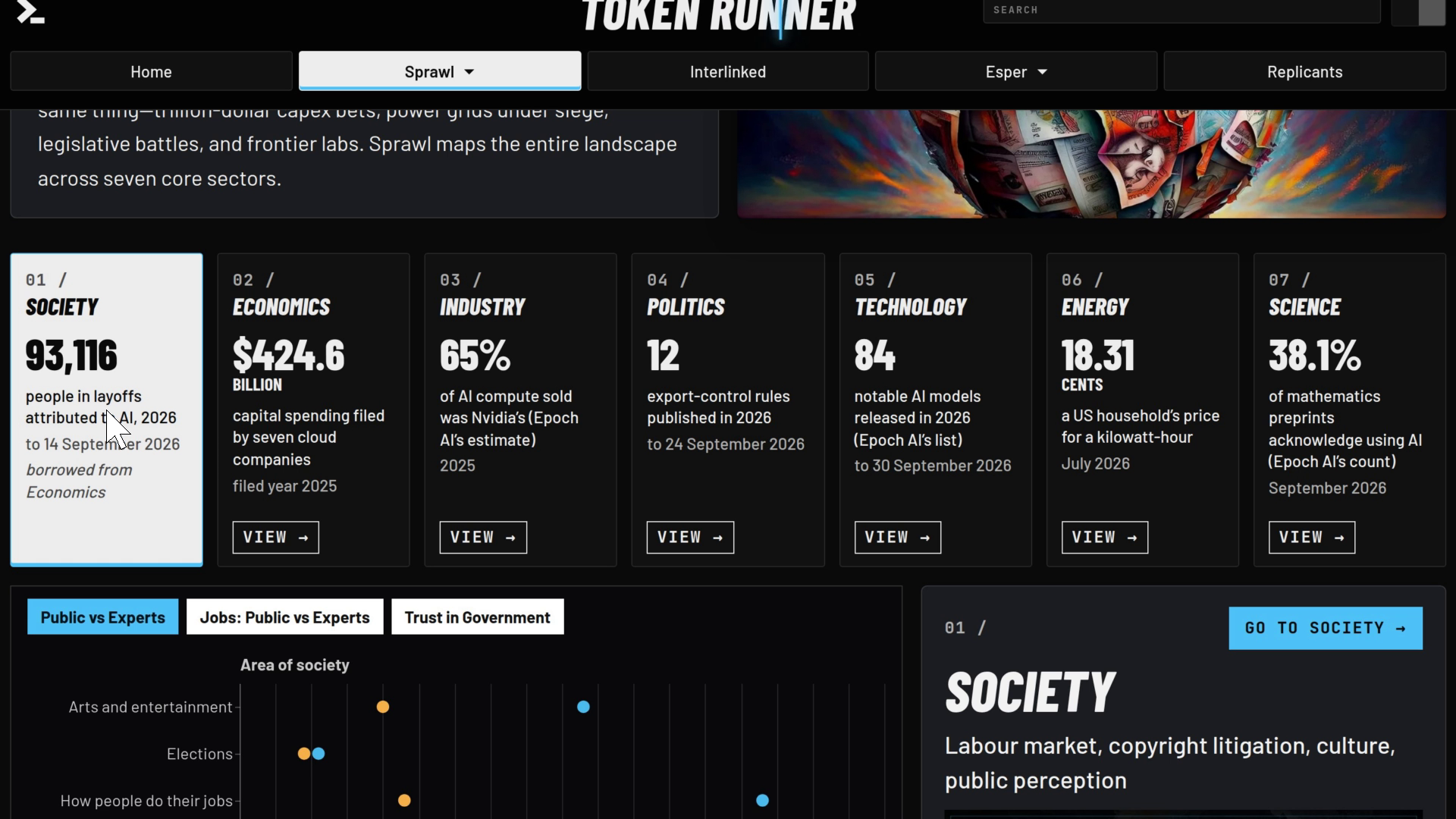
The Sprawl maps the A.I. universe across seven sectors: society, economics, industry, politics, technology, energy, science. Each sector has its own page, its own numbers, and its own fight.
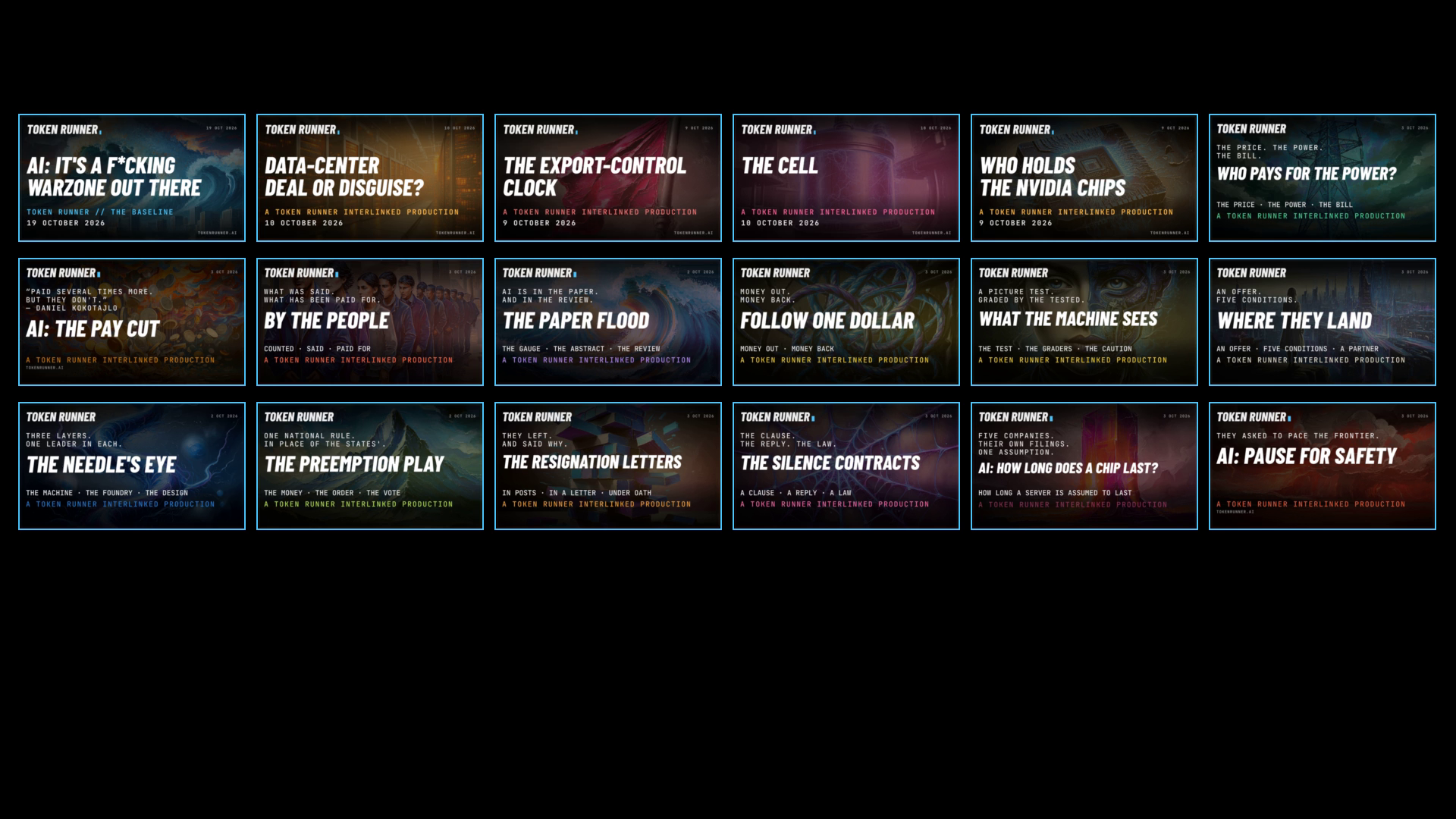
Interlinked is where the stories live. Each one an article and a film, built on the same numbers. The words you read are the words you hear.
Replicants are the people. Who they are, where they sit, and who they are tied to.
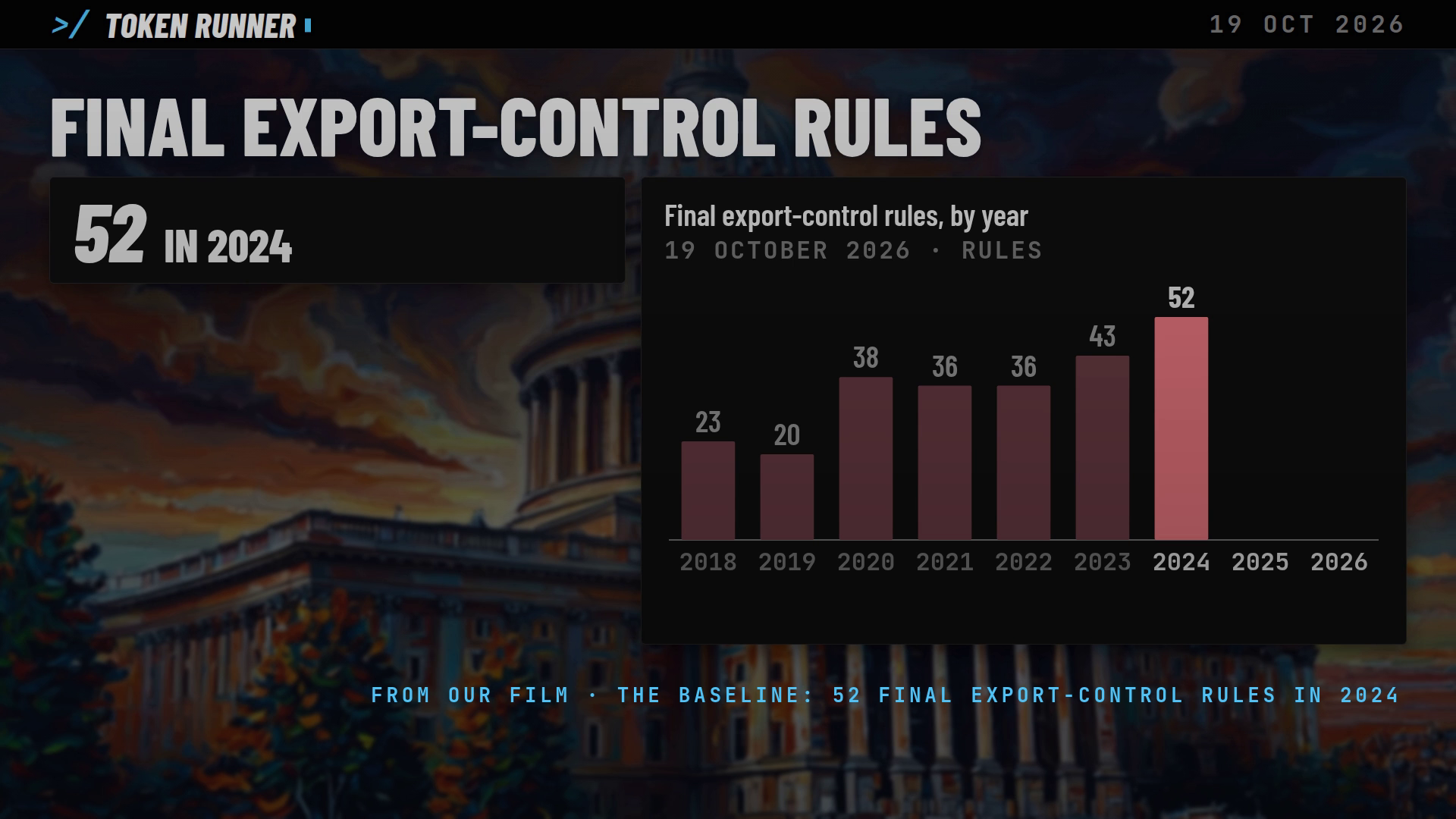
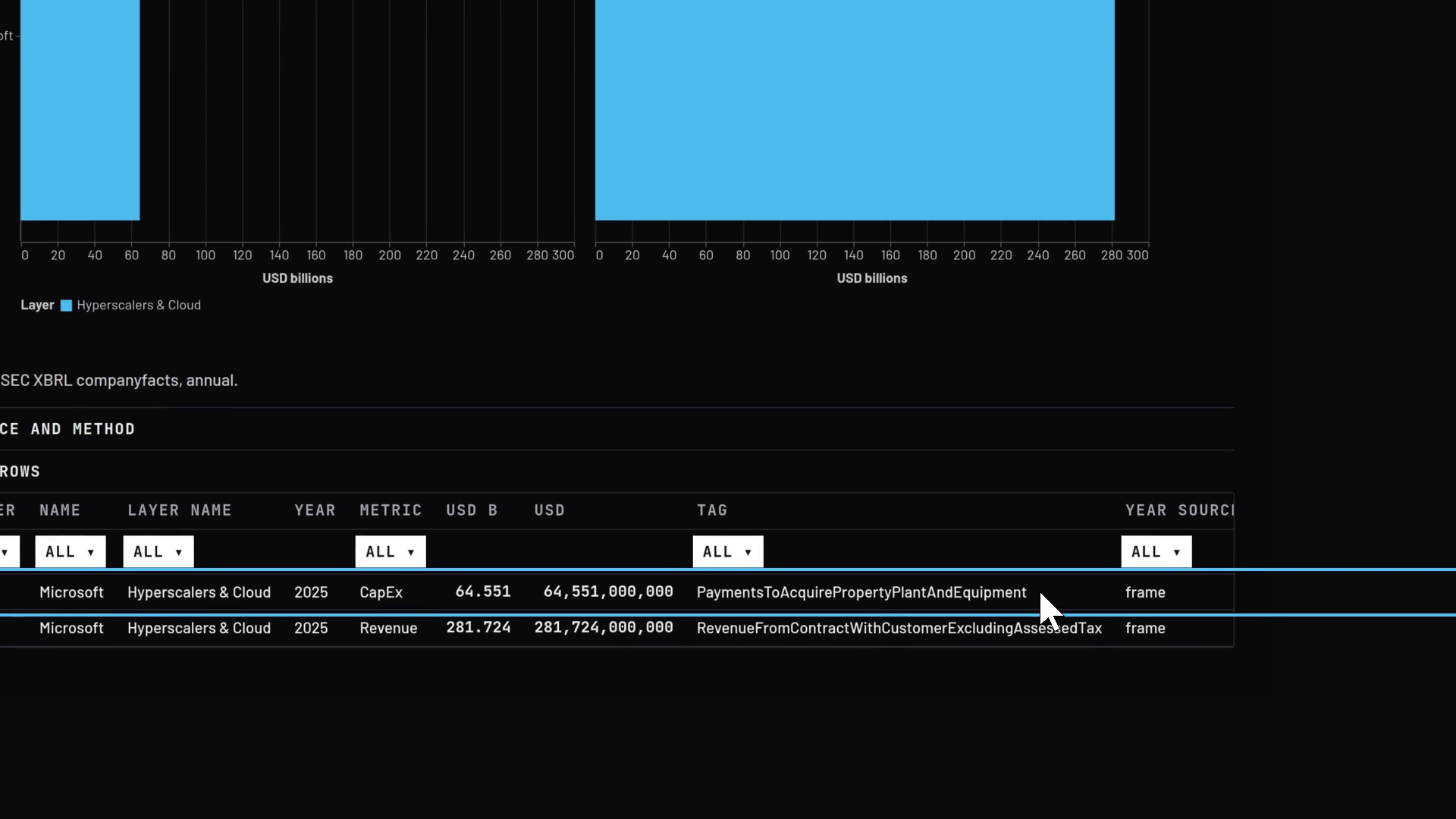
Esper is the instrument room. Charts you can open, slice, and check, right down to the rows. Switch the view. Pick a company. Open the rows. Microsoft: sixty-four point six billion dollars of capital spending, filed for 2025, and there is the filing it came from. Every chart there is built to be worked, not just looked at.
The promise.
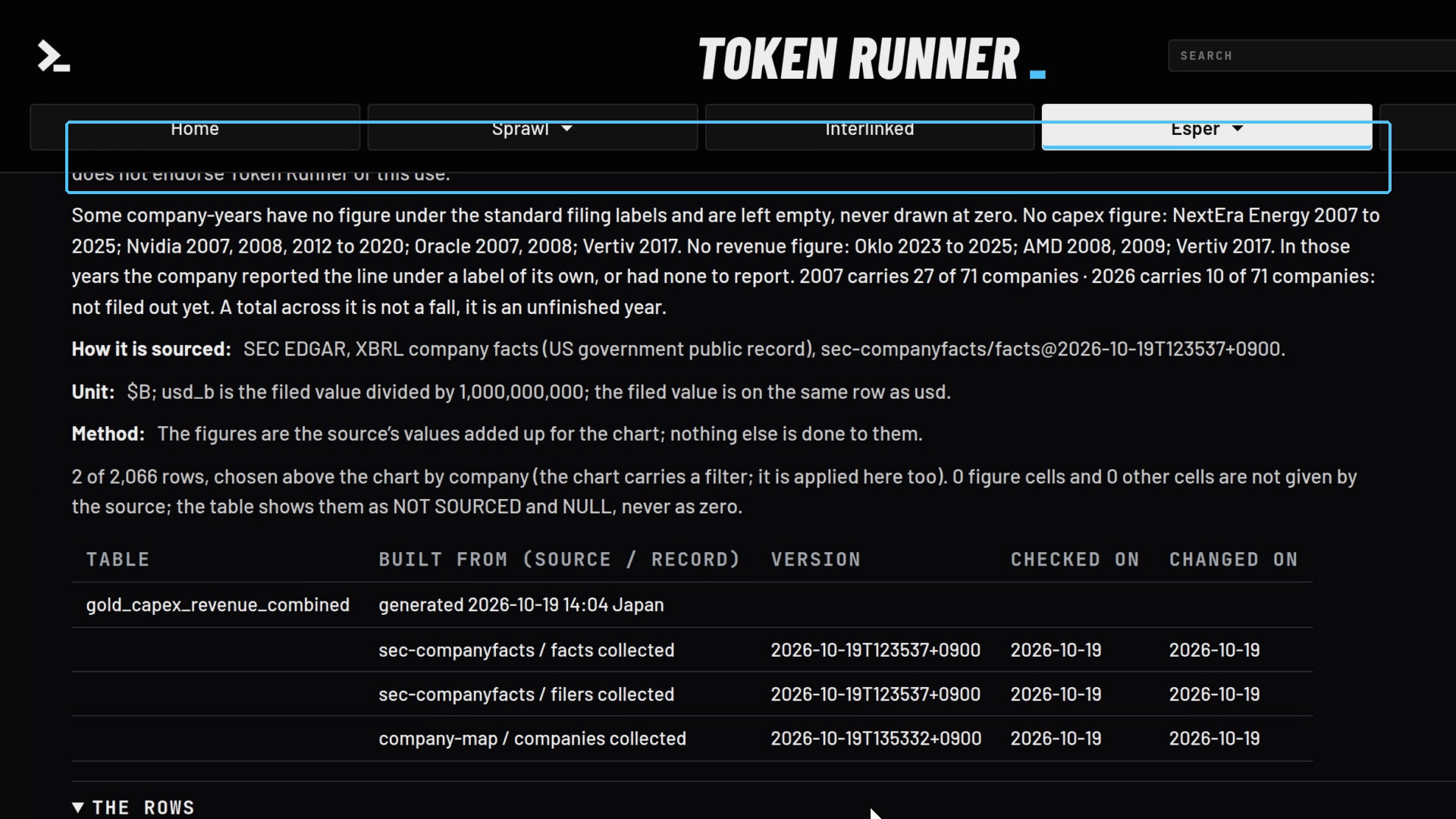
Every figure carries its source. If we cannot show where a number came from, we do not use it.
Token Runner. The Voight-Kampff test for man, machine, and big tech.
Read it. Question it. Walk it.
Sources
- Associated Press (Seth Borenstein), "AI firm leaders tell UN Security Council that it could be a risk to all humanity", 23 September 2026, as carried by PBS NewsHour: the words of Sam Altman at the UN Security Council.
- Reuters, "Tech leaders, governments split over AI doom fears", 21 September 2026, as carried by BNN Bloomberg: the words of Jensen Huang to CBS News.
- Federal Register, Bureau of Industry and Security: 52 final export-control rules in 2024 (23 in 2025, 12 in 2026 to 24 September); the Esper instrument Export-control rules, Politics.
- Epoch AI, AI Chip Owners, median estimates at 31 December 2025: 67.4% of compute held is in chips Nvidia designed, two thirds; the Esper instrument AI compute held, Industry.
- SEC filings, XBRL company facts: Microsoft’s capital spending for 2025, $64,551,000,000, capital expenditures as filed; the chart Capital spending filed, by year, the 70 companies with both figures in each year, capital spending $631.4 billion for 2025 and $431.8 billion for 2024, 2026 so far; the Esper instrument Capital spending and revenue, Economics.
- The Replicants list, Token Runner, 2026: 200 people; the seven sectors of the Sprawl.